Understanding Blockchain Oracles: Bridging the Gap Between Data and Smart Contracts
Written by Jane Doe, a blockchain strategist with over a decade of experience in implementing decentralized applications and a regular contributor to leading tech journals.
Blockchains and their smart contracts form a powerful digital alliance for creating automated, intermediary-free agreements. However, they also face a significant challenge: they operate like isolated digital islands—extremely secure and self-contained, but disconnected from the external world. This challenge is referred to as the “Oracle Problem.” Consider a crop insurance smart contract that needs to disburse funds in the event of a drought but lacks access to weather data. Similarly, a DeFi application might offer loans against real-world assets but be unaware of their market value. Oracles serve as the essential bridges connecting these digital islands to the expansive ocean of real-world data.
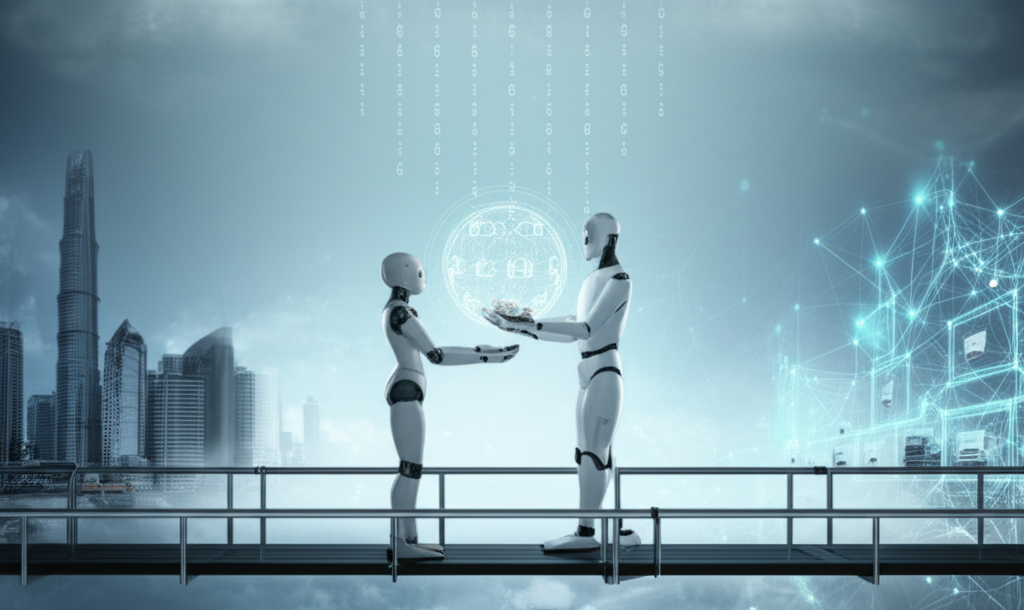
!Featured image for article: Understanding Oracles: The Data Bridges That Connect Blockchains to the Real World A blockchain oracle bridges real-world data, like weather and finance, to blockchain networks.
What Is a Blockchain Oracle?
A blockchain oracle is a third-party service that retrieves and verifies real-world data before passing it to blockchains for smart contract execution. They act as reliable couriers, validating the data before delivering it, much like a translator facilitating communication between two parties who speak different languages—the blockchain and the real world.
> “As Vitalik Buterin, co-founder of Ethereum, states, ‘Oracles are crucial for the evolution of smart contracts as they enable them to interact meaningfully with the external world.'”
How Do Oracles Work? A Step-by-Step Process
Though setting up decentralized oracle networks can be complex, their operation follows a straightforward process to ensure data is both available and trustworthy:
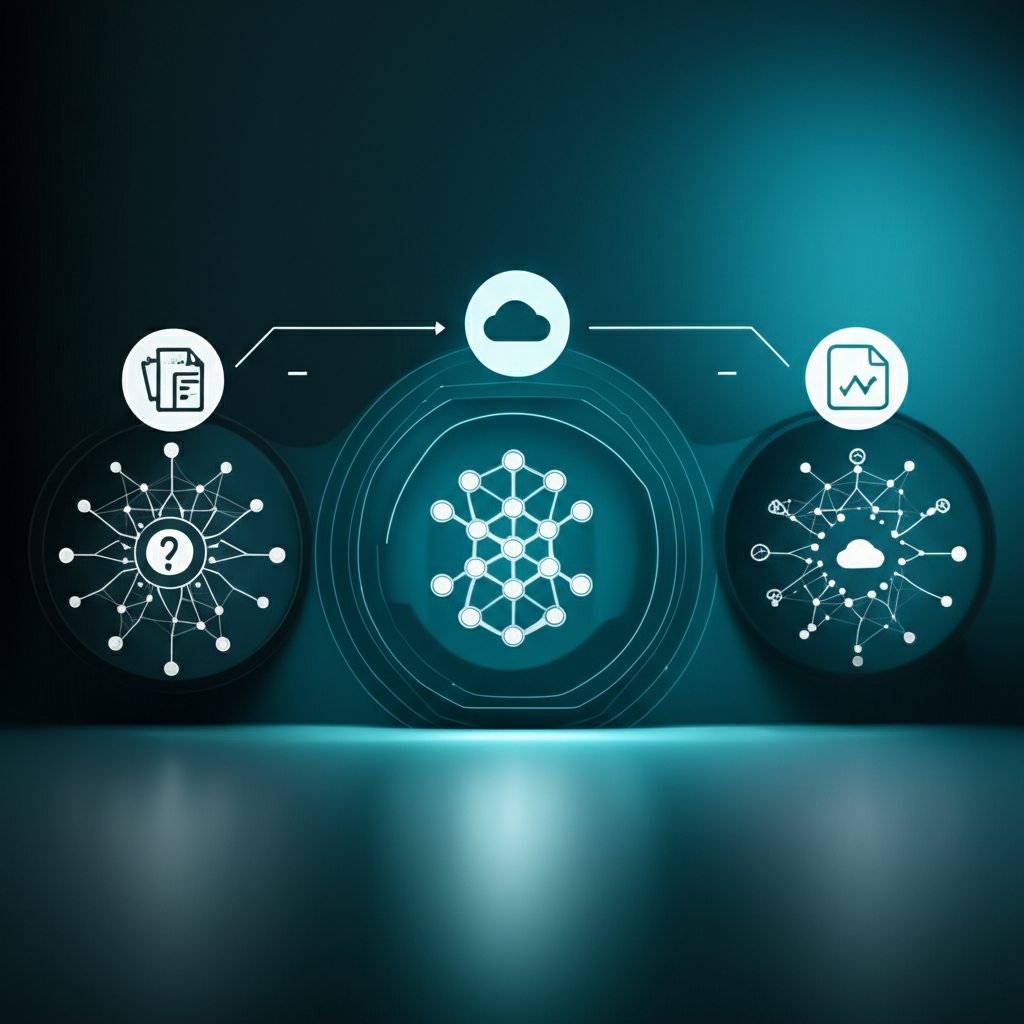
1. Data Request: A smart contract requires external data to trigger a condition, prompting a request to an oracle network. 2. Data Retrieval: Nodes within the oracle network independently collect the requested data from several pre-approved external sources, such as weather APIs or financial market data providers. 3. Data Aggregation & Validation: Nodes compare their findings and use a consensus mechanism to agree on a single, validated data point, excluding any outliers or incorrect responses. This decentralized process prevents a single node from compromising the data. 4. Data Submission: The final, validated data is cryptographically signed and delivered on-chain to the smart contract, enabling it to execute its terms with confidence.
!Infographic showing the step-by-step process of how oracles work in blockchain Explore the oracle process: from data request and retrieval to aggregation and validation.
The Oracle Spectrum: Types and Applications
Oracles are not a one-size-fits-all solution. They are categorized based on their source, data flow direction, and trust model.
Source: Software vs. Hardware Oracles
– Software Oracles acquire data from online sources, the most common type, retrieving information from websites, APIs, and databases. Example: Obtaining the latest ETH/USD price from multiple exchanges for a DeFi protocol. – Hardware Oracles gather data directly from the physical world using sensors. Example: An IoT sensor confirms that a shipping container has reached a port, triggering a payment in a supply chain smart contract.
Direction: Inbound vs. Outbound Oracles
– Inbound Oracles bring data from the external world to the blockchain. This is the most frequent scenario. Example: A decentralized betting app receives the final score of a sports match. – Outbound Oracles send information from the blockchain to the external world. Example: A smart contract unlocks a smart lock on an apartment door after receiving an on-chain rental payment.
Trust Model: Centralized vs. Decentralized Oracles
– Centralized Oracles are operated by a single entity, presenting a single point of failure. While fast and simple, they reintroduce the need for trust in a middleman, which blockchain technology seeks to eliminate. – Decentralized Oracles function as a network of independent nodes, using consensus to validate data. This model, employed by services like Chainlink, offers enhanced security and reliability, making it the preferred choice for high-stakes applications.
![Infographic showing the different categories of blockchain oracles] See the detailed infographic for a step-by-step breakdown of how decentralized oracles validate and deliver data.
Real-World Impact: Oracles in Action
Decentralized Finance (DeFi)
Platforms like Aave and Compound rely on decentralized oracles for real-time crypto asset prices. This data is essential for issuing loans, managing collateral, and executing liquidations, ensuring financial stability across the protocol. In 2023, Chainlink’s decentralized oracle network facilitated over $20 billion in smart contract transactions across DeFi platforms, demonstrating its indispensable role in providing reliable data.
Parametric Insurance
In regions susceptible to natural disasters, parametric insurance policies designed as smart contracts can automate payouts. An oracle can supply reliable data on wind speed during a hurricane or rainfall levels in a drought, enabling immediate, transparent claim settlements without human intervention.
Dynamic NFTs and Gaming
Oracles allow NFTs to change based on real-world events. Imagine digital artwork of a cityscape that transitions from day to night based on real-time data, or a player’s in-game stats in a blockchain game receiving a boost if their favorite real-world sports team wins. For more insights on securing these types of assets, read our guide on how to secure your crypto.
Conclusion: The Future is Connected
Oracles are a vital component of today’s blockchain ecosystem, transforming simple on-chain scripts into powerful, real-world applications. By addressing the Oracle Problem, they have unlocked new possibilities in finance, insurance, supply chains, and more. As blockchain technology continues to integrate into our daily lives, the demand for secure, reliable, and decentralized oracles will only increase. A 2023 report by Gartner predicts this trend will continue, underscoring their crucial role in building a truly interconnected and decentralized future.
FAQs
How does a blockchain oracle function?
A blockchain oracle acts as a third-party service that retrieves and verifies real-world data for smart contracts on the blockchain. It is not the data source itself but serves as a secure messenger that queries, authenticates, and relays external data to the blockchain, allowing interaction with the outside world. Typically, the oracle collects data from multiple sources, validates it through consensus, and then delivers the cryptographically signed data on-chain for smart contract execution.
What are the different types of blockchain oracles?
Oracles are categorized by source, data flow direction, and trust model. Source types include Software Oracles for online data and Hardware Oracles for data from physical sensors. Direction types are Inbound Oracles, transmitting data to the blockchain, and Outbound Oracles, sending data from the blockchain to the outside world. Trust models cover Centralized Oracles, controlled by one entity, and Decentralized Oracles, which use multiple nodes for data reliability and security.
What role do oracles play in decentralized finance (DeFi)?
In DeFi, oracles are key for providing real-time data feeds of crypto asset prices. Platforms like Aave and Compound depend on decentralized oracles for accurate market prices, which are crucial for issuing loans, managing collateral, and executing liquidations. Reliable and timely oracle data ensures the financial stability and security of DeFi protocols, allowing them to operate smoothly without centralized intermediaries. This data-driven approach maintains user trust and the integrity of DeFi ecosystems.
How do oracles impact real-world applications like insurance and gaming?
Oracles significantly affect areas like parametric insurance and gaming. In insurance, they provide trusted data—such as rainfall levels or wind speeds—to trigger automatic payouts in smart contracts during natural disasters, facilitating transparent and efficient claim settlements without human intervention. In gaming, oracles enable dynamic NFTs to change based on real-world events, such as modifying digital artwork or enhancing player stats. These innovative oracle uses enhance the functionality and appeal of blockchain applications, driving more real-world integration.
Disclaimer: The information provided in this article is for educational purposes only and should not be construed as financial advice. Please consult with a professional for specific guidance.