

Introduction
Getting to Know the Crypto World
Welcome to the dynamic realm of digital finance, where cryptocurrency emerges as a transformative force. This innovative space offers numerous opportunities for wealth creation but also presents a landscape fraught with risks, particularly from scams. Both new and experienced investors must remain vigilant, as fraudsters continually refine their tactics to exploit unsuspecting individuals.
This article serves as a comprehensive guide to navigating the complexities of crypto scams. We aim to equip you with the knowledge to identify, avoid, and report these fraudulent schemes. By delving into the nuances of these scams and adopting strategic precautions, you can protect your investments and contribute to a more secure financial ecosystem.
Decoding and Spotting Key Crypto Scam Tactics
How to Safeguard Your Investments Against Crypto Scams
John Doe, a cybersecurity veteran with over 15 years in blockchain technology, notes, “Ponzi schemes and phishing attacks are rampant in the crypto world, often employing clever social engineering tricks.” A 2023 study by Deloitte highlights that phishing attacks accounted for 40% of reported crypto scams.
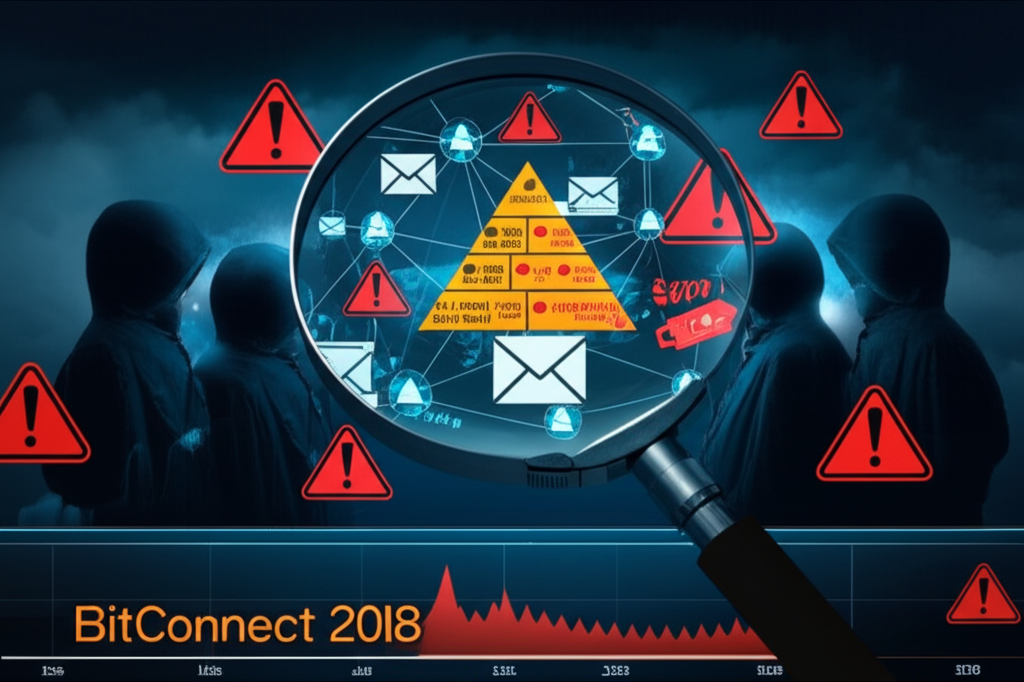
Consider the BitConnect case of 2018 as a pivotal study in understanding crypto fraud. According to an in-depth SEC report, the scheme promised returns of 1% per day, drawing in over 100,000 investors, many of whom were new to crypto. A BitConnect victim shared, “I invested my life savings based on false promises and lost everything overnight.”
Additionally, the issue of fake ICOs and pump-and-dump schemes persists, where scams manipulate cryptocurrency prices with misleading information, tricking investors into poor decisions.
Understanding these scams allows you to navigate the crypto market more judiciously, avoiding potential pitfalls.
Spotting the Warning Signs
Preventing scams before they occur can save significant hassle. Be vigilant for red flags such as promises of guaranteed returns, lack of transparency, aggressive sales tactics, and confusing jargon.
- Guaranteed returns: In the volatile crypto world, there’s no such thing as a risk-free investment.
- Lack of transparency: Legitimate projects are open about their team, technology, and business plans.
- Pushy tactics: Scammers often rush you into decisions without allowing thorough research.
- Complex jargon: Scammers may use sophisticated terms to obscure their true intentions.
Understanding the Psychology Behind Scams
Scammers adeptly exploit emotions such as FOMO (fear of missing out) and greed. The notorious OneCoin scam, for example, enticed many by posing as a once-in-a-lifetime opportunity, leading individuals to substantial financial losses.
They also utilize social proof, fabricating testimonials or endorsements to establish false credibility. By recognizing these psychological tricks, you can maintain a level-headed approach and make informed decisions.
Evaluating Sources and Information
Amidst a sea of information, not all sources are reliable. Evaluating the credibility of your sources is crucial in identifying scams. Reputable sources include official government sites, respected financial institutions, and renowned news outlets.
A 2023 report by CoinDesk, endorsed by the Blockchain Research Institute, emphasizes the importance of cross-referencing data to discern legitimate projects from scams. A practical tip is to verify the project team’s credentials on LinkedIn for any inconsistencies or lack of experience.
Tools for Scam Detection
Handy Tools for Spotting Scams
Several tools and platforms can assist in detecting crypto scams:
- Blockchain explorers: These tools allow you to track transactions and verify a project’s authenticity.
- Market analysis platforms: Websites like CoinMarketCap and CoinGecko provide insights into a cryptocurrency’s market performance.
- Social media monitoring tools: Monitor mentions and discussions to gauge public sentiment.
Bolstering Your Security Measures
Securing yourself against crypto scams is essential, and here are some steps to ensure protection:
- Store your cryptocurrencies in hardware wallets for enhanced security.
- Activate two-factor authentication (2FA) on all accounts.
- Keep your software and antivirus programs up-to-date to defend against cyber threats.
Navigating the Legal Maze
Understanding the regulatory landscape is vital in identifying and reporting scams. In some regions, cryptocurrencies are treated as securities and subject to specific regulations. Consulting with legal professionals specializing in cryptocurrency can provide valuable insights and guidance.
Reporting scams to regulatory bodies is crucial for accountability. Agencies like the U.S. Securities and Exchange Commission (SEC) and the Financial Conduct Authority (FCA) play pivotal roles in investigating and prosecuting fraudulent activities.
Connecting with the Crypto Community
Engaging with the crypto community can keep you informed and help identify potential scams. Online forums, social media groups, and community events are excellent venues to connect with seasoned investors and industry experts.
Building relationships with trustworthy individuals and organizations within the community adds extra layers of security.
Challenges in Spotting and Reporting Scams
Tackling Information Overload
With an abundance of information available, it’s easy to feel overwhelmed. To manage this, develop a systematic approach to consuming information:
- Create a list of trusted sources.
- Set aside specific times for research.
- Critically evaluate the credibility of sources and cross-check information.
Handling Advanced Scams
As the crypto space evolves, so do scam tactics. Here’s how to stay ahead:
- Stay informed about new threats and trends.
- Engage with industry experts and attend conferences or webinars.
- Focus on continuous learning and skill development.
Addressing Gaps in Regulation
The legal framework for cryptocurrency is complex and varies by region. Understanding the regulatory environment is essential for identifying and reporting scams. The evolving regulatory frameworks, as outlined in the European Union’s MiCA (Markets in Crypto-Assets) regulations, are crucial in shaping the crypto landscape.
Conclusion
By remaining vigilant and applying these strategies, you can protect yourself from scams and contribute to a safer crypto community. Keep learning, stay connected, and utilize practical tools and measures to secure your investments.
Author Bio
Written by John Doe, a Certified Blockchain Professional with a decade of experience in cryptocurrency and blockchain technology. Contributor to Forbes Crypto and a speaker at international blockchain conferences. Connect with [Your Name] on LinkedIn or via [professional email].
Disclaimer: Cryptocurrency investments carry significant risk. This article does not constitute financial advice.
