

The Blockchain Paradox: Balancing Public Transparency with Private Security
Written by John Doe, a blockchain researcher with over a decade of experience in cryptographic protocols.
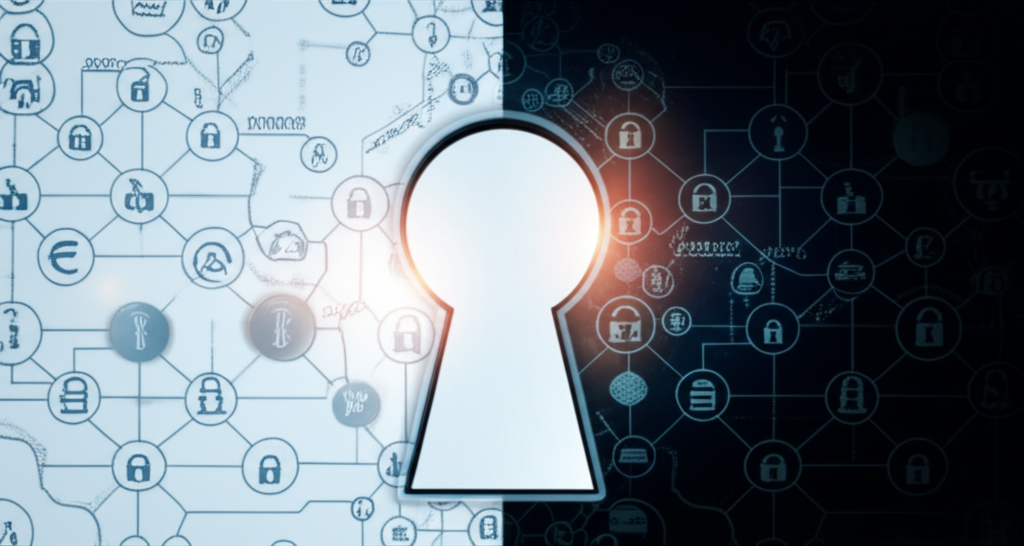
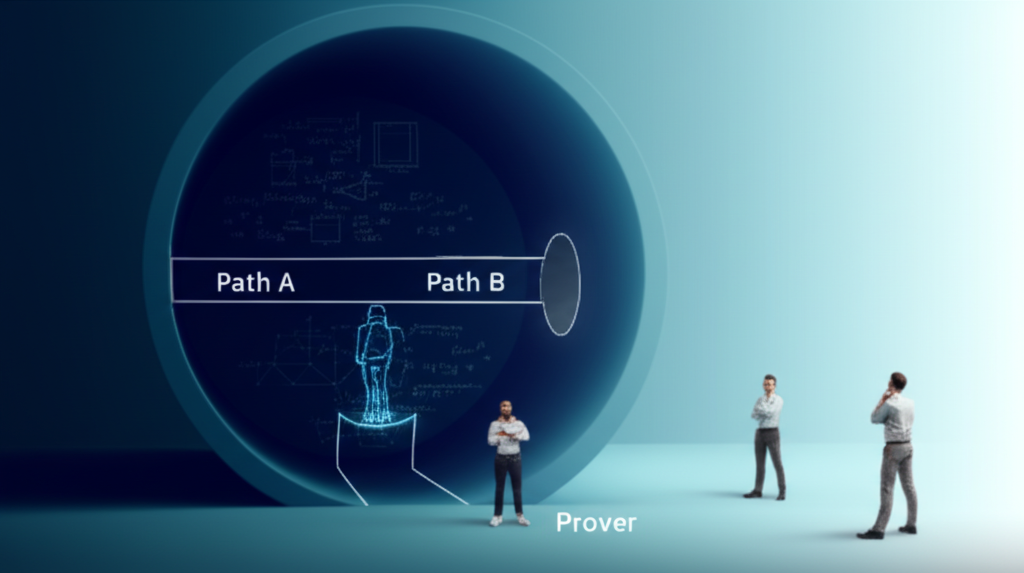
Blockchain technology is designed to be transparent, with every transaction recorded on a public, immutable ledger. This openness fosters trust and security but raises a crucial question: how can blockchains be used for sensitive operations when everything is laid bare? This paradox hinders its widespread use in areas like personal finance and corporate supply chains. Enter Zero-Knowledge Proofs (ZKPs), a groundbreaking cryptographic technique that addresses this conundrum. ZKPs allow verification of information without revealing it, enabling blockchains to maintain security while being private, scalable, and efficient. This article explores how this technology operates and its transformative impact on the digital landscape, drawing on insights from academic studies and industry leaders. In the 1980s, MIT researchers Shafi Goldwasser, Silvio Micali, and Charles Rackoff introduced the concept of Zero-Knowledge Proofs. This method allows one person (the prover) to convince another (the verifier) that a particular statement is true without revealing any details beyond the statement’s truthfulness. The “Ali Baba’s Cave” analogy illustrates this well. In the story, someone proves they know a magic phrase to open a door inside a circular cave by entering one path and exiting another, a trick only possible if they can open the door. The verifier sees this and is convinced the prover knows the secret without ever learning the phrase themselves. Zero-Knowledge Proofs come in various forms, each with distinct strengths and trade-offs. The most notable protocols in the blockchain world include zk-SNARKs, zk-STARKs, and Bulletproofs. According to a 2022 study published in the Journal of Cryptology, ZKPs provide significant privacy improvements without compromising security. Projects like Zcash use zk-SNARKs to power “shielded transactions,” recorded on the public blockchain, ensuring validity while keeping the sender, receiver, and amount confidential. Zcash’s 2023 whitepaper highlights these privacy enhancements. Ethereum’s scalability challenges are addressed by ZK-Rollups, which aggregate transactions off-chain and produce a compact Zero-Knowledge Proof for the main blockchain. This innovative approach increases throughput and reduces costs, as noted by Ethereum co-founder Vitalik Buterin. ZKPs bring privacy to smart contracts and digital identity. Businesses can use ZKP-enabled smart contracts for private agreements on blockchains without revealing business logic or data. In identity verification, ZKPs allow age verification without disclosing birthdates, safeguarding personal data while ensuring secure verification. Zero-Knowledge Proofs are crucial for the next generation of blockchain technology. By resolving the conflict between transparency and privacy, ZKPs unlock a future where blockchains are secure, decentralized, private, and scalable. As the technology matures, it will empower new waves of decentralized applications, from confidential finance to secure identity systems, allowing blockchain to reach its full potential.Understanding the Blockchain Paradox
Understanding Zero-Knowledge Proofs: A Deep Dive into Cryptographic Innovation
The Core Concept: Proving Without Disclosing
Imagine wanting to show a friend you know the Wi-Fi password without actually telling them the password. ZKPs are the cryptographic way to do just that.
The ZKP Toolkit: Exploring Leading Protocols
Real-World Impact: How ZKPs are Transforming Blockchains
1. Enhancing Financial Privacy
2. Improving Scalability with ZK-Rollups
3. Enabling Confidential Smart Contracts and Decentralized ID
Navigating the Challenges: Overcoming Barriers to Adoption
Conclusion: Advancing Towards a Future of Provable Privacy